
Single-atom engineering and AI driving innovation: researchers explore pathways to practical applications
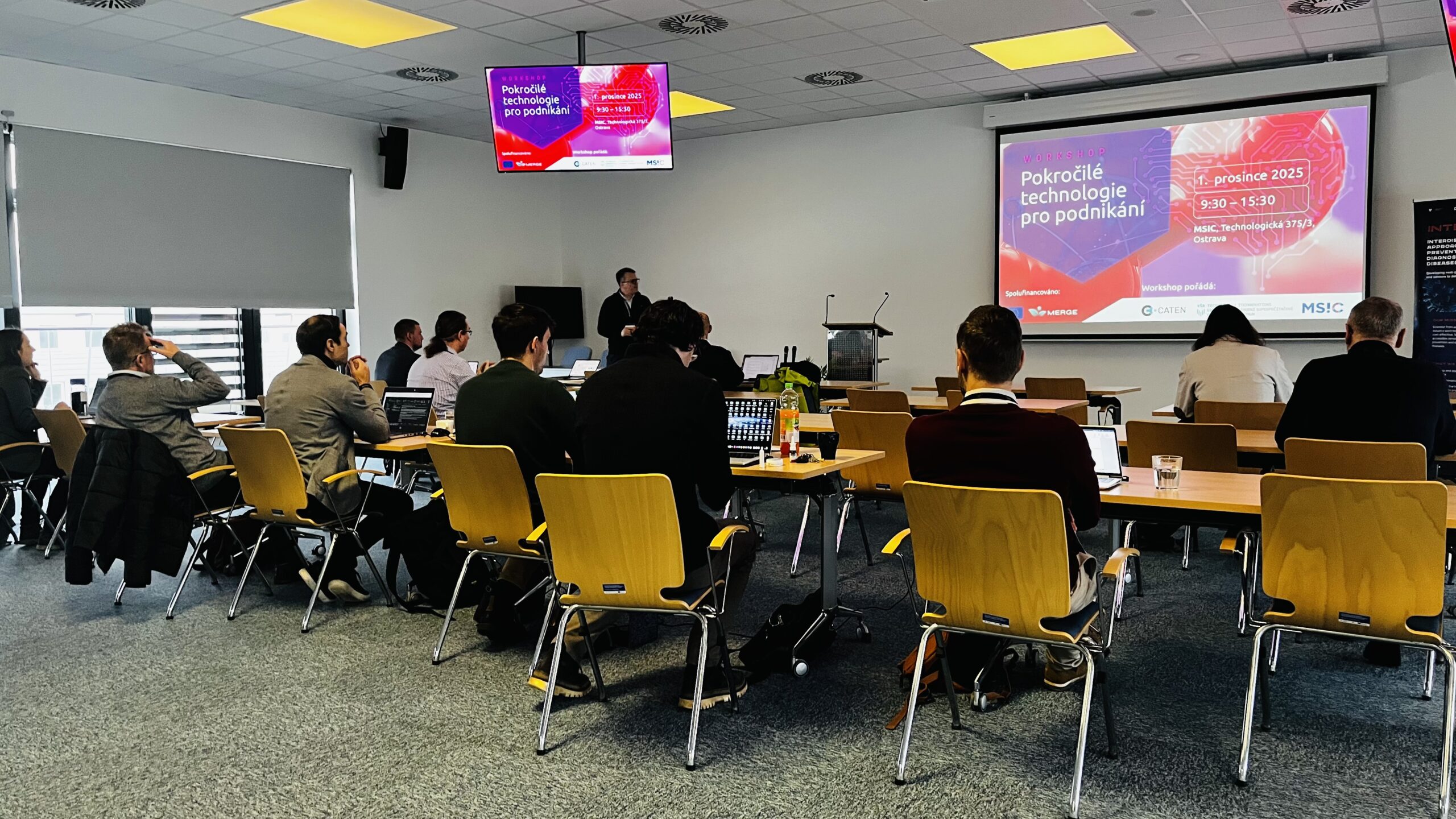
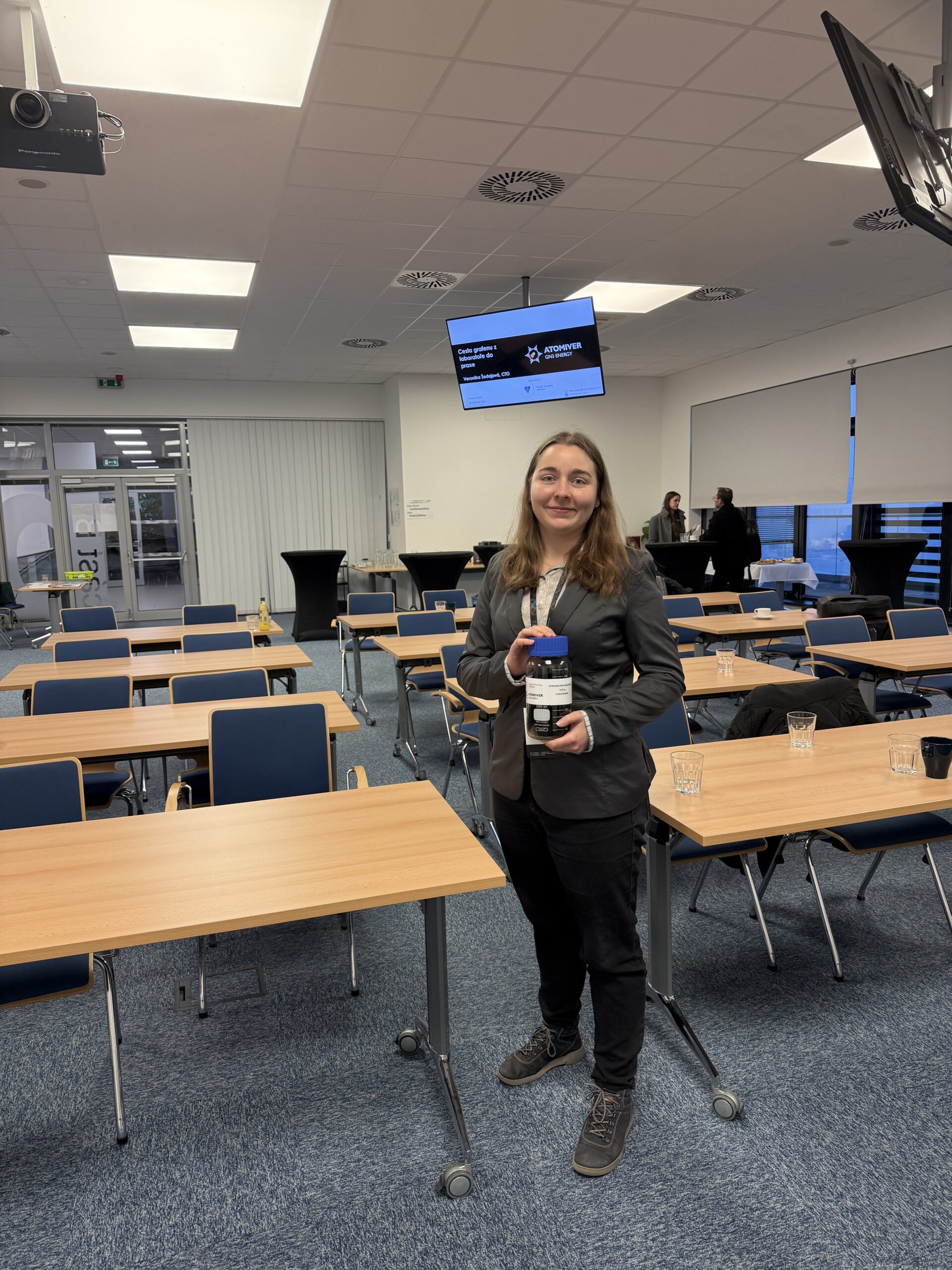
How can emerging technologies, including single-atom engineering and artificial intelligence, be translated into real-world applications? This question was at the center of Monday’s workshop titled Advanced Methods for Entrepreneurship, held at the Moravian-Silesian Innovation Center in Ostrava. Researchers from VŠB–Technical University of Ostrava and CATRIN at Palacký University showcased their findings and potential uses to representatives of the commercial sector.
Single-atom engineering allows the properties of substances to be controlled down to the single-atom level. By embedding single metal atoms into the structure of different substances, researchers can markedly enhance their performance or even open up entirely new fields of application.
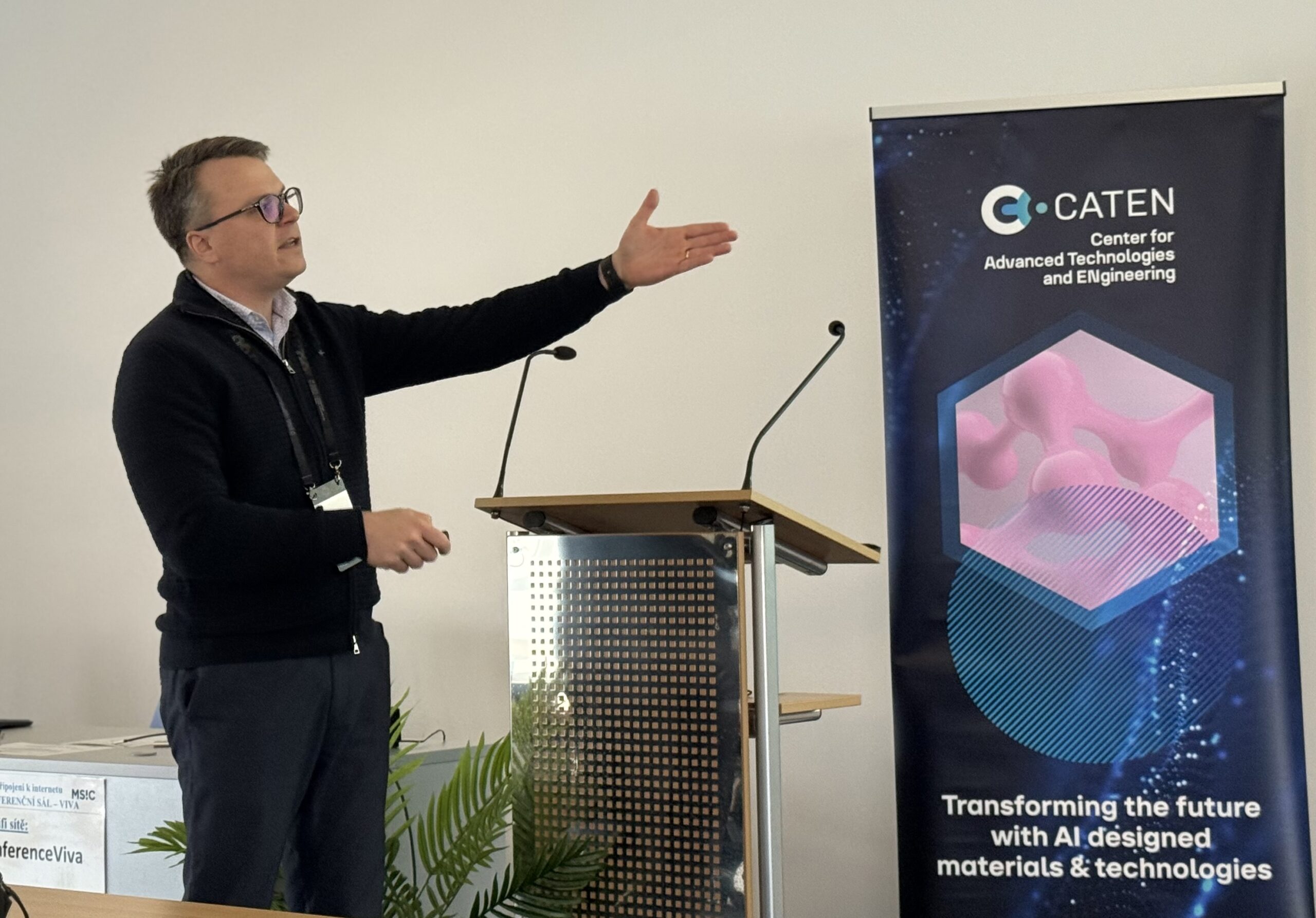
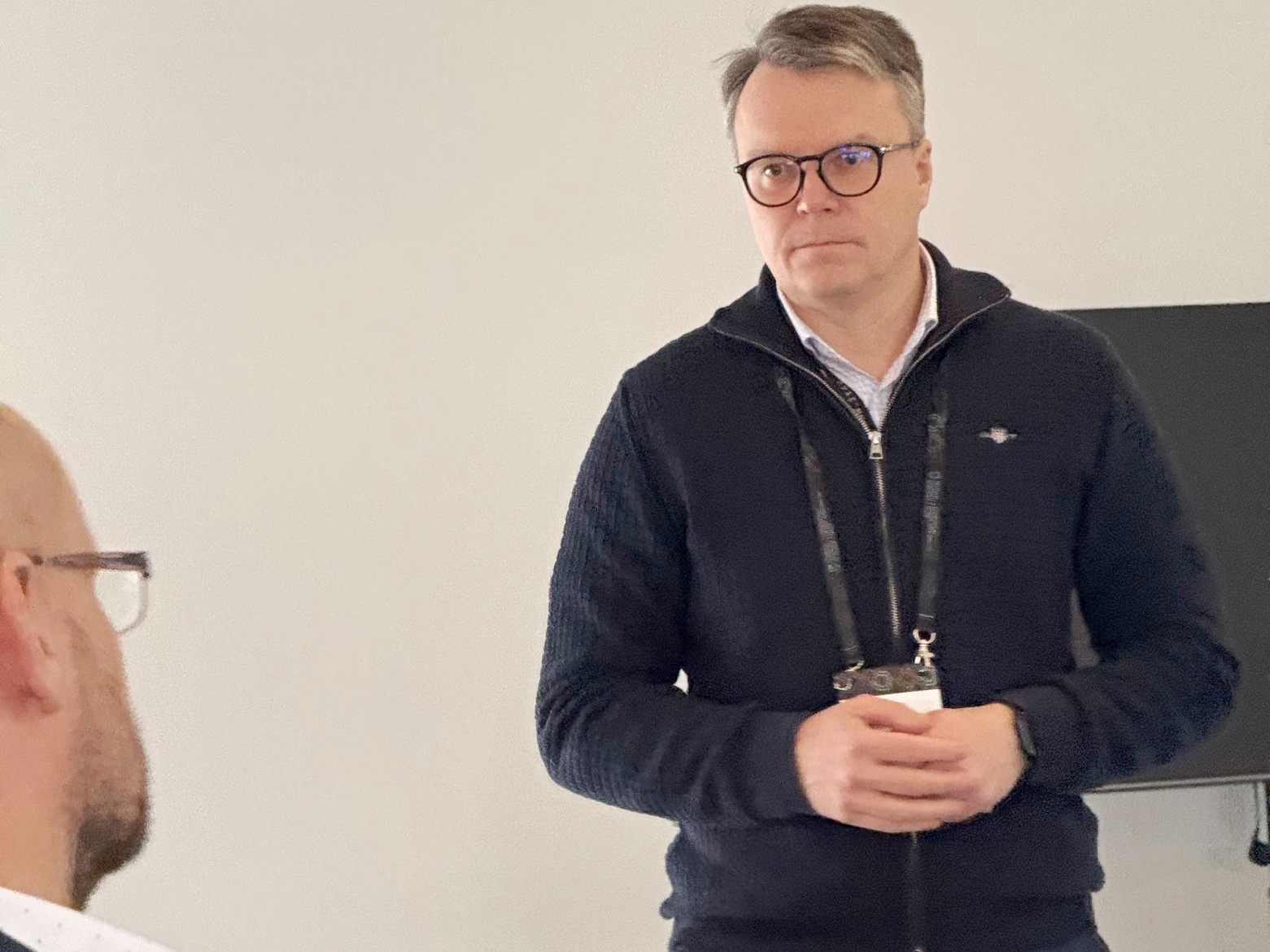
“Our goal is to establish the Moravian-Silesian and Olomouc regions as hubs for technologies built on AI and single-atom engineering. We believe we are currently among the strongest in the Czech Republic, and perhaps even in Central Europe, in terms of infrastructure, expertise, and the quality of our people. We want to create high-value technologies that will push the Czech Republic forward and strengthen its competitiveness. Translating research into practice is not an easy road, but we see it as the only meaningful one,” said Radek Zbořil of CATRIN and CEET, who outlined the potential of single-atom engineering in medicine, chemistry, and power engineering.
The program further highlighted advances in plasmonic materials for catalysis, the use of advanced materials in (bio)sensors, the growing role of AI in engineering, materials research, and the study of plant–environment interactions. Participants agreed that these technologies offer not only environmental and health benefits but also substantial gains in industrial efficiency. For this reason, researchers plan to continue similar events and work more closely with industry partners.
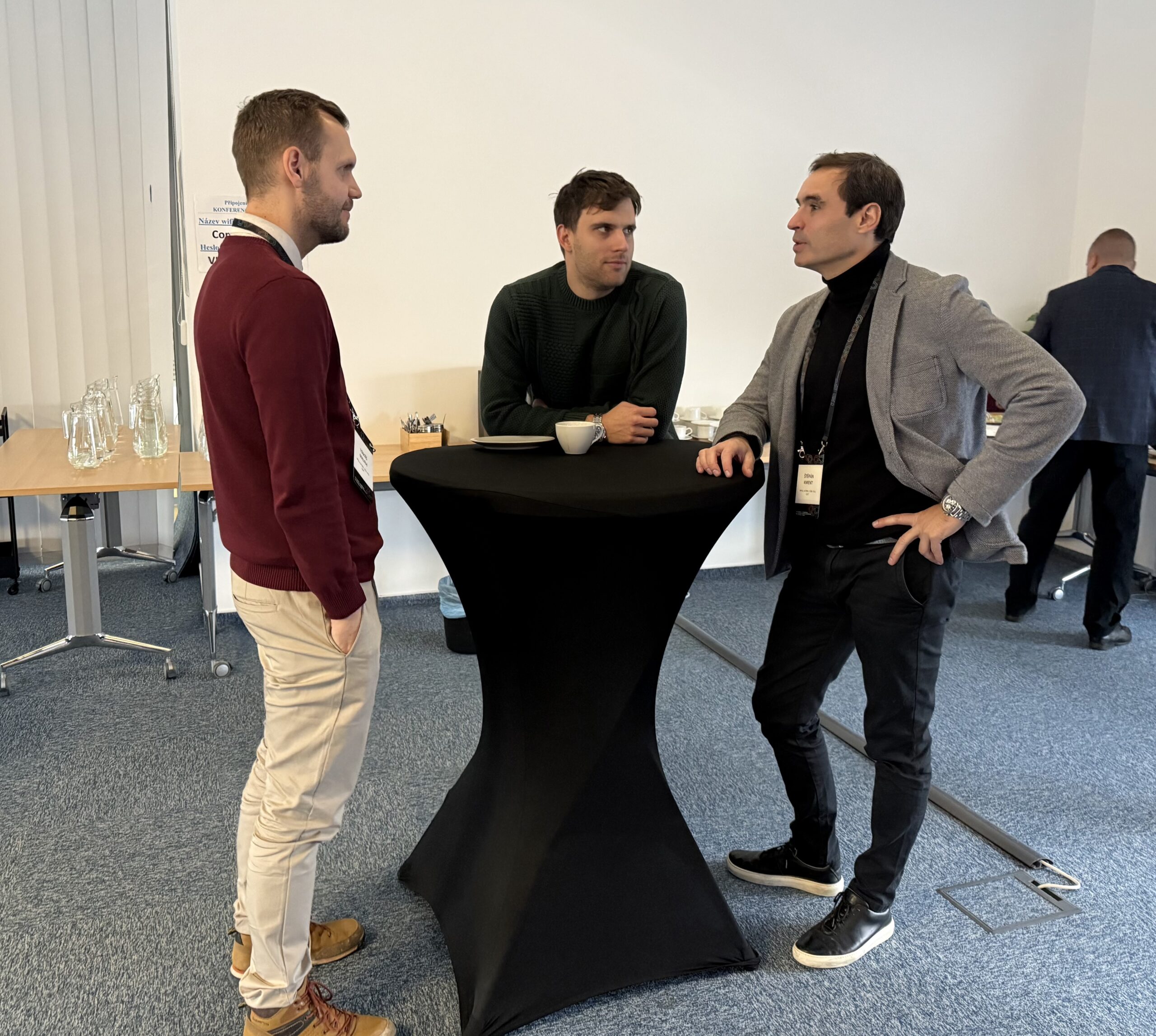
“The event gave me a useful overview of current scientific work and ongoing academic projects. I attended because I want to stay informed about developments in the region. And I’m certainly open to collaboration if there’s an opportunity or interest, whether by helping, sharing contacts, or providing support,” said one of the representatives of the commercial sphere, Petr Holásek
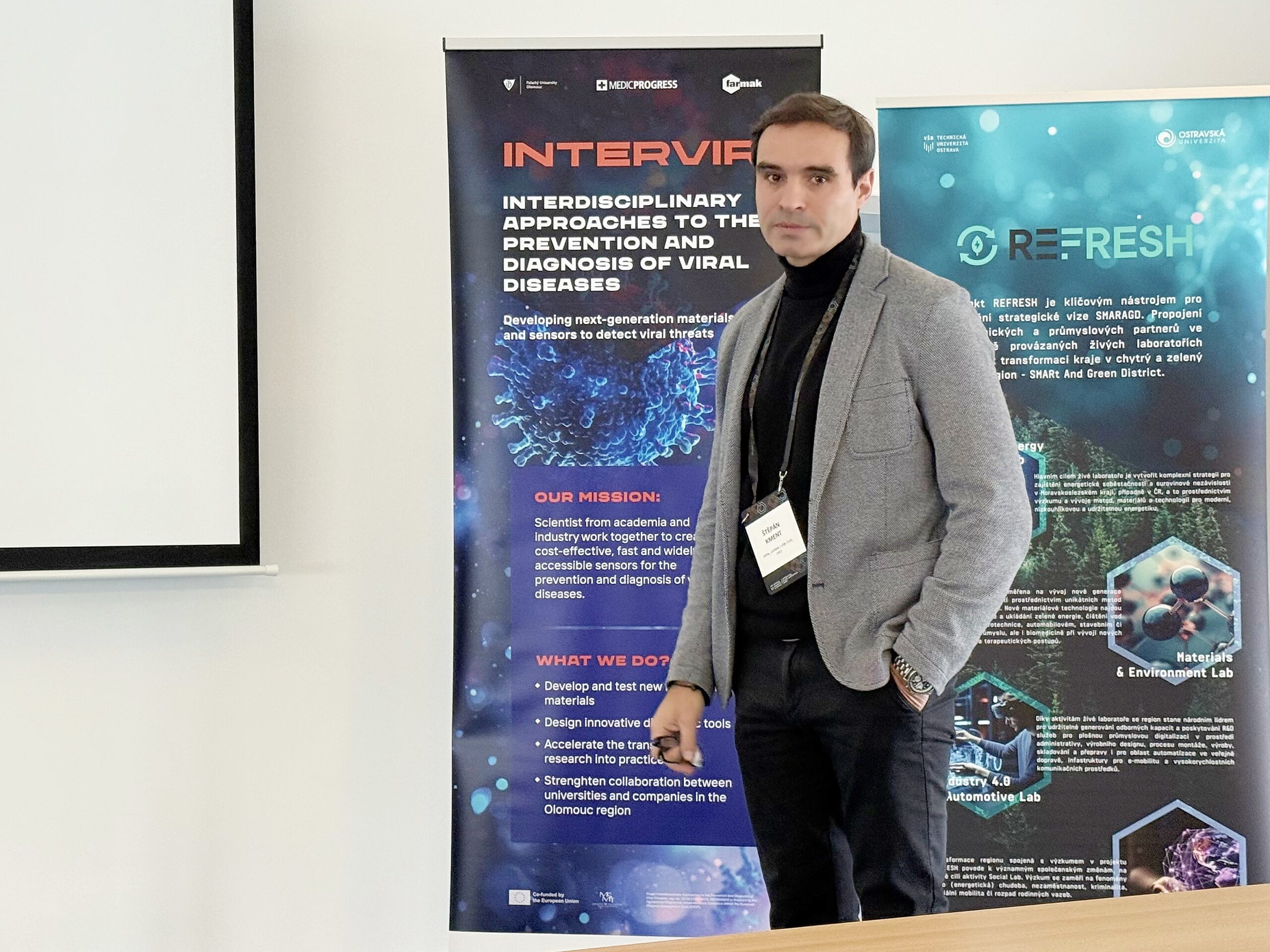
The workshop was co-organized by CATEN (Center for Advanced Technologies and Engineering), the Moravian-Silesian Innovation Center, and the National Supercomputer Center IT4Innovations at VŠB-TUO, in cooperation with the REFRESH, ITERVIR, TECHSCALE, MERGE, LUMI AI Factory, and EDIH Ostrava projects.